The U.S. does not have one power system in any practical sense.
It has a vast collection of regional systems shaped by where fuel is produced, where generation was built, where transmission exists and where electricity demand is emerging.
That complexity is also an advantage.
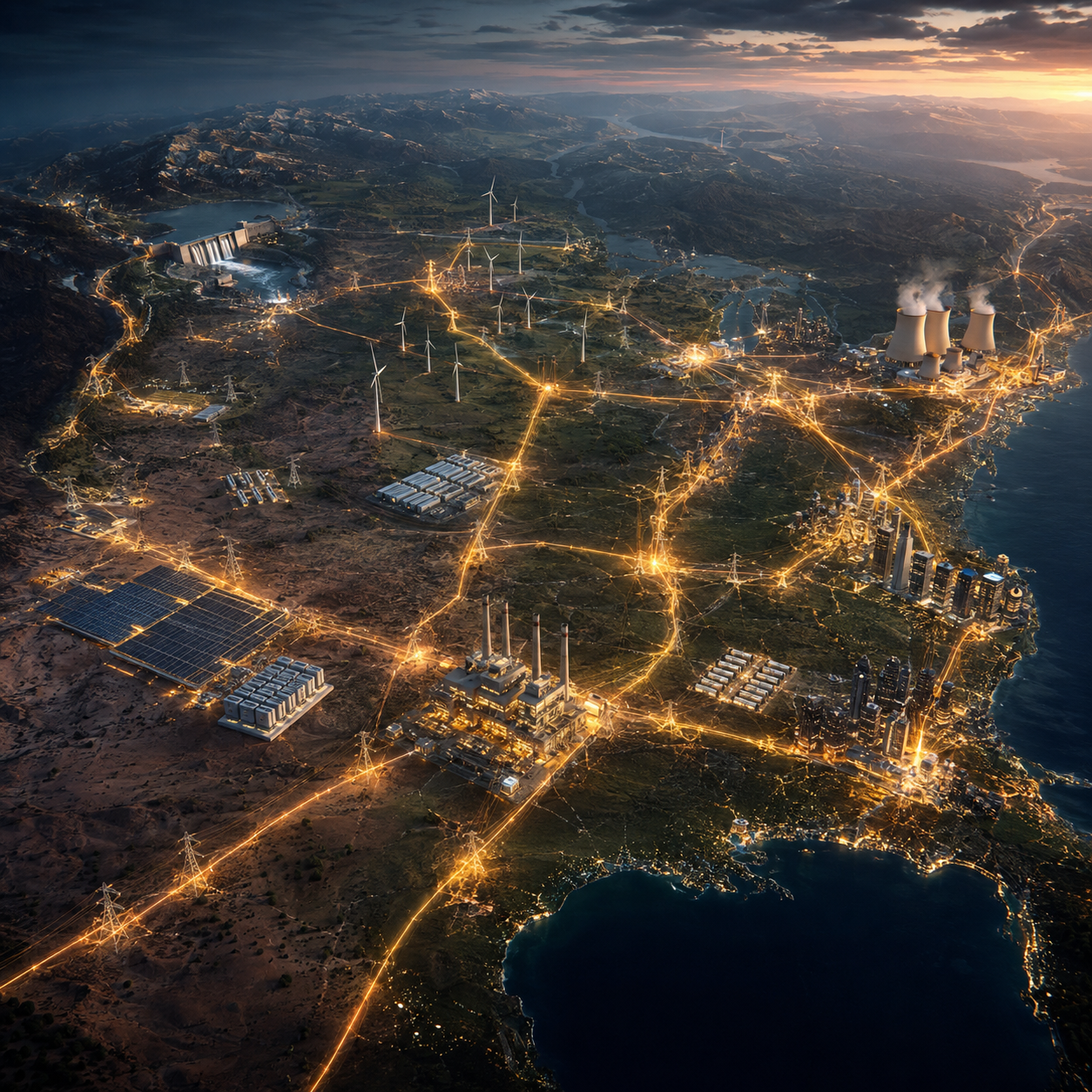
Across the country, the U.S. has built an unusually diverse energy base: natural gas provides dispatchable generation, nuclear and hydropower supply established low-carbon electricity, while solar, wind and battery storage continue to expand.
The next opportunity is connecting these assets more effectively.
A Diverse Generation Base
The geography of U.S. energy production reflects decades of investment and a wide range of natural resources.
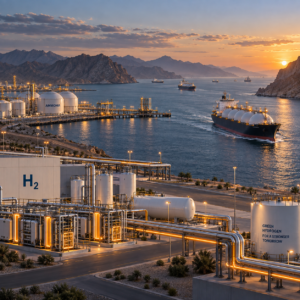
Natural gas infrastructure stretches across major production and consumption regions, supporting a large fleet of power plants and providing flexibility when electricity demand changes.
Nuclear power remains concentrated largely in the eastern half of the country, close to many major population and industrial centres. Hydropower is similarly shaped by geography, with major resources concentrated in the Pacific Northwest and mountainous western states.
Renewables have added another layer.
Solar generation is concentrated across the Sun Belt, particularly California, Texas and the Southwest, while wind development follows strong resource areas across Texas, Oklahoma, Kansas, Iowa and neighbouring Plains states.
Battery storage is increasingly being added to this generation mix, allowing electricity produced during periods of high renewable output to be shifted toward periods of higher demand.
The result is not one dominant technology, but a broader portfolio of generation and flexibility.
The Grid Is Becoming the Connector
This diversity creates an important role for transmission.
Some of America’s strongest wind and solar resources are located far from major population centres. Moving that electricity to customers requires infrastructure capable of connecting different regions and balancing different generation profiles.
Transmission therefore becomes more than a delivery network.
It is the infrastructure that allows the country’s different energy assets to complement one another.
A wind project in the Plains, solar generation in the Southwest, gas-fired generation in Texas and storage located near a major demand centre can each contribute differently to system reliability.
The greater the ability to connect these resources, the greater the flexibility available to the overall system.
Demand Is Expanding Into New Places
The demand side of the map is changing as well.
EV charging infrastructure is extending electricity demand into transportation, particularly around metropolitan areas and major highways.
Data centres are creating another new category of large, concentrated electricity demand. Northern Virginia remains a major hub, while significant development is taking place in Texas, the Midwest, Atlanta, Phoenix and parts of the West Coast.
For utilities and infrastructure developers, this creates a new planning equation. It is no longer simply about how much electricity the country needs.
It is about where generation, transmission, storage and large new loads can be brought together most effectively.
From Energy Assets to an Energy System
The U.S. is not starting its energy transition from an empty map.
It already has one of the world’s largest and most diverse electricity systems, supported by decades of investment in generation, pipelines, transmission, storage and distribution infrastructure.
New technologies are being added to that foundation rather than replacing it overnight. That creates an opportunity to make the existing system more flexible.
Additional storage can shift when electricity is available. New transmission can connect regions with different generation profiles. Flexible generation can support periods of high demand. Electrification can create new relationships between transportation, buildings and the power system.
Each development adds another layer to the network.
The Next Advantage Will Come From Integration
The U.S. energy story is therefore becoming less about choosing between individual technologies and more about making different assets work together.
Natural gas, nuclear, hydropower, wind, solar and batteries each occupy different positions on the national energy map. EVs and data centres are simultaneously creating new demand centres.
The opportunity is to connect these pieces more effectively.
That means investment will increasingly flow not only toward generation, but toward the infrastructure that allows generation, storage, transmission and demand to interact.
The U.S. is not building an entirely new energy system.
It is adding new capabilities to one of the world’s largest existing power networks.
The next stage is making those capabilities work together as one increasingly flexible system.
For energy and infrastructure leaders, that is where the commercial opportunity becomes particularly significant: not simply building more energy assets, but connecting more of them.