
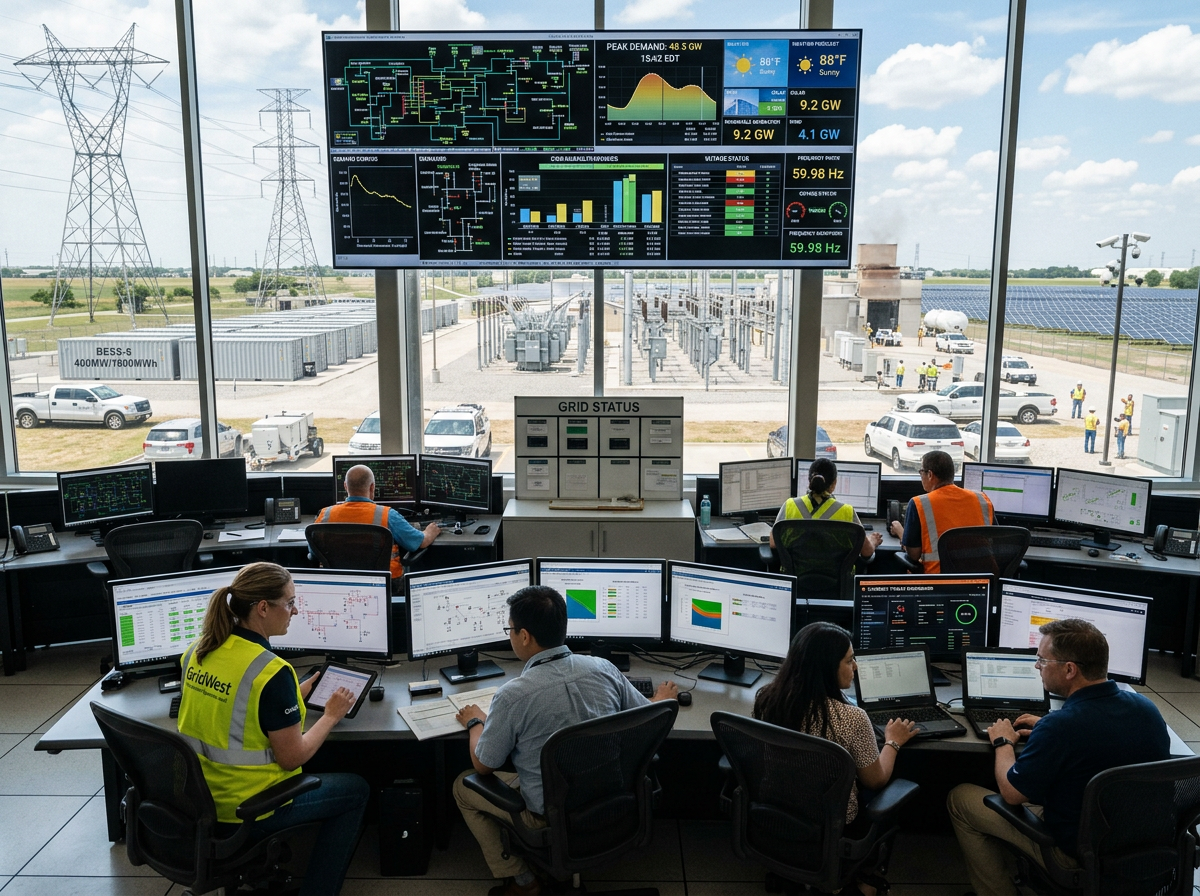
On paper, the North American bulk-power system enters the high-demand summer season in its strongest resource position in years. The North American Electric Reliability Corporation (NERC) released its annual Summer Reliability Assessment, indicating that the continent has added more than 58 gigawatts of new generation capacity. This massive buildout is led by utility-scale solar, battery storage, and natural gas.
However, a deeper review of the data reveals that grid vulnerabilities have not been eliminated. They have fundamentally evolved from basic capacity adequacy to structural timing, ensuring the grid can deliver the right kind of power at the exact moment of localized peak stress.
Tighter Compliance on the Cyber Frontier
In a parallel move to address physical and digital system vulnerabilities, the Federal Energy Regulatory Commission (FERC) has advanced a sweeping set of updated Critical Infrastructure Protection (CIP) power grid reliability standards.
The updated regulatory baseline introduces strict operational mandates:
● Virtualization Safeguards: New rules govern the secure deployment of virtualization technologies across the bulk power system.
● Low-Impact Baseline Security: Utilities are legally required to enforce advanced password protocols and remote-user authentication safeguards on low-impact computer networks supporting the primary grid.
● Intrusion Detection Mandates: The framework requires automated systems to actively flag anomalies before localized cyber threats can cascade into regional system disruptions.
The Executive Mandate
The message from federal regulators is clear: operational resilience cannot rely solely on stacking raw generation capacity. As extreme weather patterns test physical infrastructure and sophisticated cyber threats target utility control centers, corporate strategies must prioritize automated defense and dynamic load balancing. Compliance with these new CIP standards is no longer just a regulatory check; it is a core component of corporate risk management.