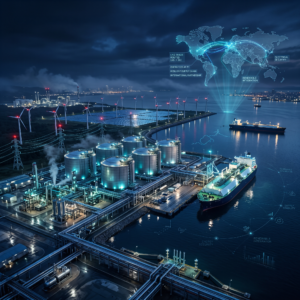
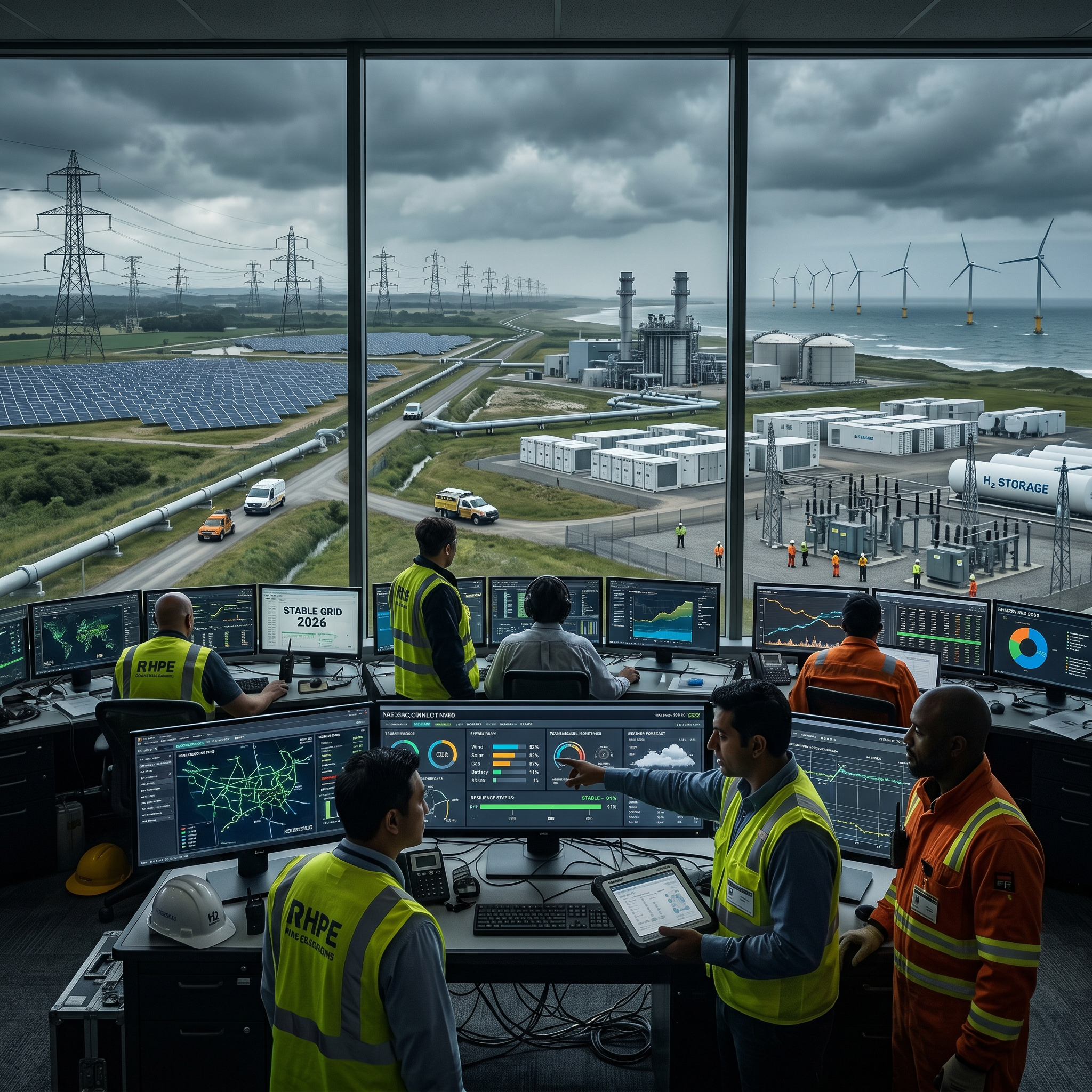
For decades, energy security was largely measured by access to fuel.
Recent events suggest that measure is no longer sufficient.
Disruptions affecting shipping through the Strait of Hormuz exposed vulnerabilities reaching far beyond crude oil. Electricity networks, industrial supply chains, fertiliser production, hydrogen markets and manufacturing all felt the effects.
The International Energy Agency’s latest assessment reflects this broader reality. Energy systems are becoming more interconnected, making resilience a defining characteristic of energy security rather than a supporting objective.
Why Energy Resilience Is Becoming a National Priority
The Strait of Hormuz remains one of the world’s most important energy corridors, but the consequences of disruption extend well beyond tanker movements.
Oil, natural gas, refined products and hydrogen-derived chemicals all move through connected global supply chains. Pressure on one part of the system can quickly affect industrial production, commodity prices and electricity markets elsewhere.
This interconnectedness means that governments are planning for continuity, not simply supply.
How Diversified Energy Supply Strengthens Energy Security
The IEA argues that strengthening energy security requires broader investment than expanding fuel production alone.
Strategic reserves, multiple import routes, flexible electricity systems and stronger regional interconnections all reduce dependence on single points of failure.
Diversification now applies to technologies, infrastructure and logistics as much as it does to fuel sources.
Countries with multiple pathways for generating, transporting and storing energy are generally better positioned to absorb market shocks.
Why Energy Efficiency Supports Energy Resilience
Energy efficiency has become part of national resilience planning.
Lower energy demand reduces exposure to price volatility, eases pressure on electricity systems and limits the economic impact of supply disruptions.
For businesses, efficiency also reduces operating costs while improving continuity during periods of market instability.
Viewed this way, efficiency is not only an environmental measure but an operational one.
The Role of Hydrogen in Future Energy Security
Hydrogen continues to feature in long-term energy security planning, particularly for heavy industry and sectors that are difficult to electrify.
The IEA notes, however, that commercial deployment remains constrained by production costs, infrastructure gaps, regulation and uncertain demand.
Hydrogen’s long-term role remains significant, but current energy resilience still depends largely on improving existing infrastructure and diversifying established energy systems.
Why Energy Resilience Matters for Business
Energy disruptions increasingly affect more than fuel costs.
Manufacturing output, procurement strategies, logistics, insurance, financing and capital investment are all influenced by the reliability of energy systems.
Businesses operating across international supply chains now evaluate energy resilience alongside labour availability, transport infrastructure and geopolitical risk when making investment decisions.
Reliable energy has become an operational advantage rather than simply a utility requirement.
Executive Takeaway
The IEA’s assessment reflects a broader shift in energy policy.
Energy security now extends beyond securing fuel supplies to strengthening the systems that produce, transport and distribute energy.
Infrastructure resilience, diversified supply chains, operational flexibility and demand management are becoming central components of national energy strategies.
Countries and businesses that strengthen these capabilities will be better prepared for future disruptions, whether they originate from geopolitics, extreme weather, cyber threats or market volatility.